
HS Code 070310 Explained: Red Onion Import Regulations for Thailand
The vibrant red onion is a culinary staple across Thailand, from the fiery curries of the south to the fragrant stir-fries of the north. For businesses looking to tap into this robust demand, understanding the nuances of international trade regulations is paramount. This guide will demystify HS Code 070310 specifically for red onion imports into Thailand, providing essential information for a smooth and compliant shipping process.
What is an HS Code and Why Does it Matter?
The Harmonized System (HS) Code is an internationally standardized system of names and numbers for classifying traded products. Developed by the World Customs Organization (WCO), it’s used by customs authorities worldwide to identify products, assess duties and taxes, and collect trade statistics.
For fresh or chilled onions, shallots, garlic, leeks, and other alliaceous vegetables, the general HS Chapter is 0703. Our focus, 070310, specifically categorizes “Onions and Shallots.” While this code covers both, we’ll hone in on red onions for our discussion on Thailand imports.
Understanding and correctly applying the HS code is critical because:
It determines the import duty rates and other taxes.
It dictates the specific import regulations, permits, and certifications required.
Incorrect codes can lead to delays, fines, and even seizure of goods.
Thailand’s Import Landscape for Red Onions (HS 070310)
Thailand is a significant consumer of onions, and while it has domestic production, imports are often necessary to meet demand, especially for specific varieties or during off-seasons. Importing red onions (under HS 070310) into Thailand involves several key steps and requirements.
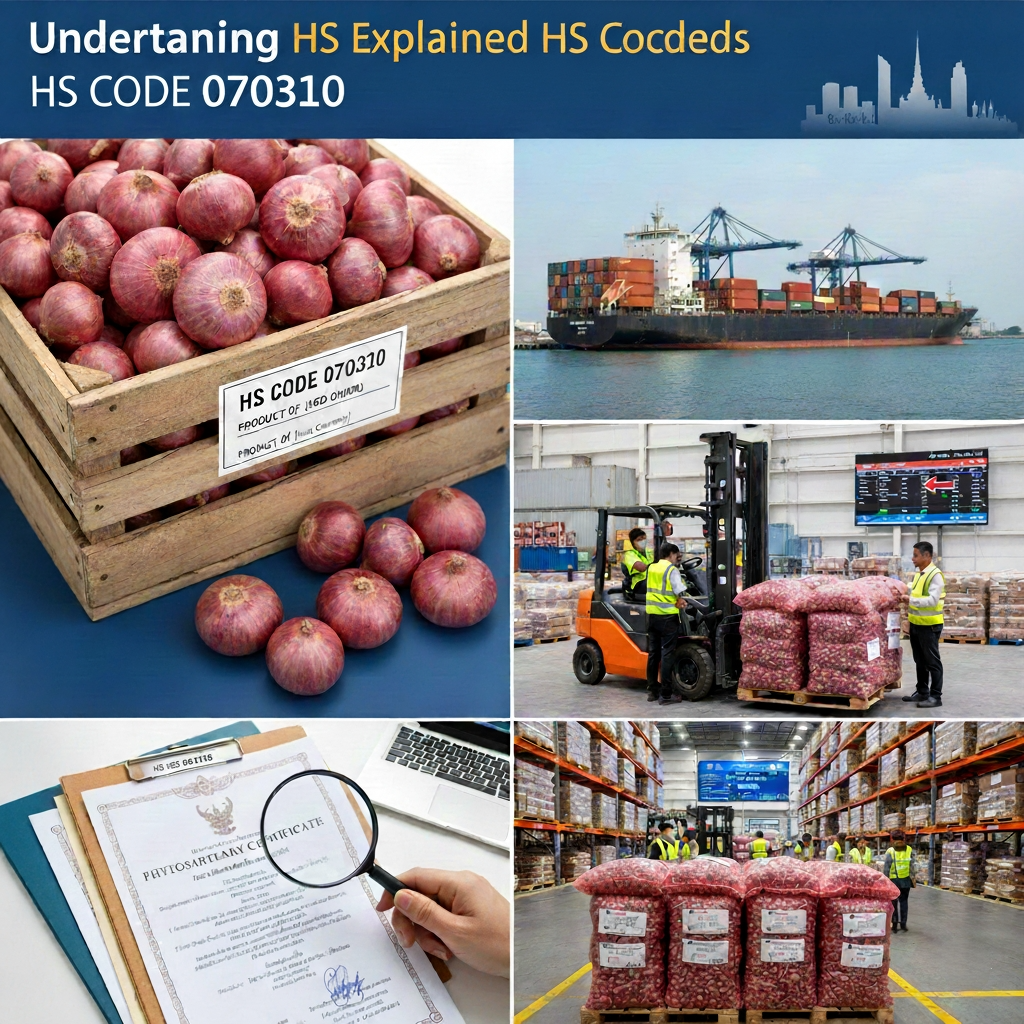
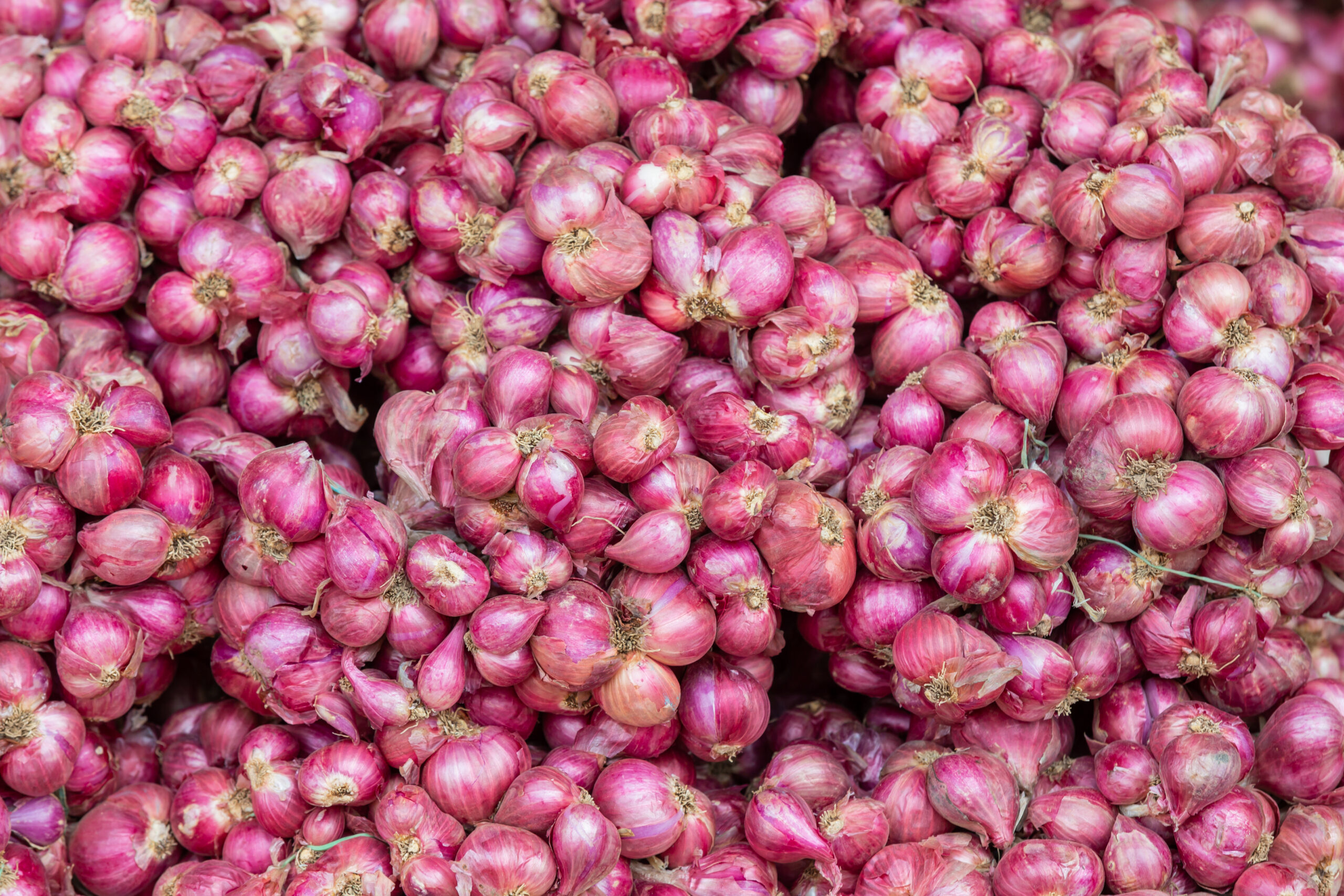
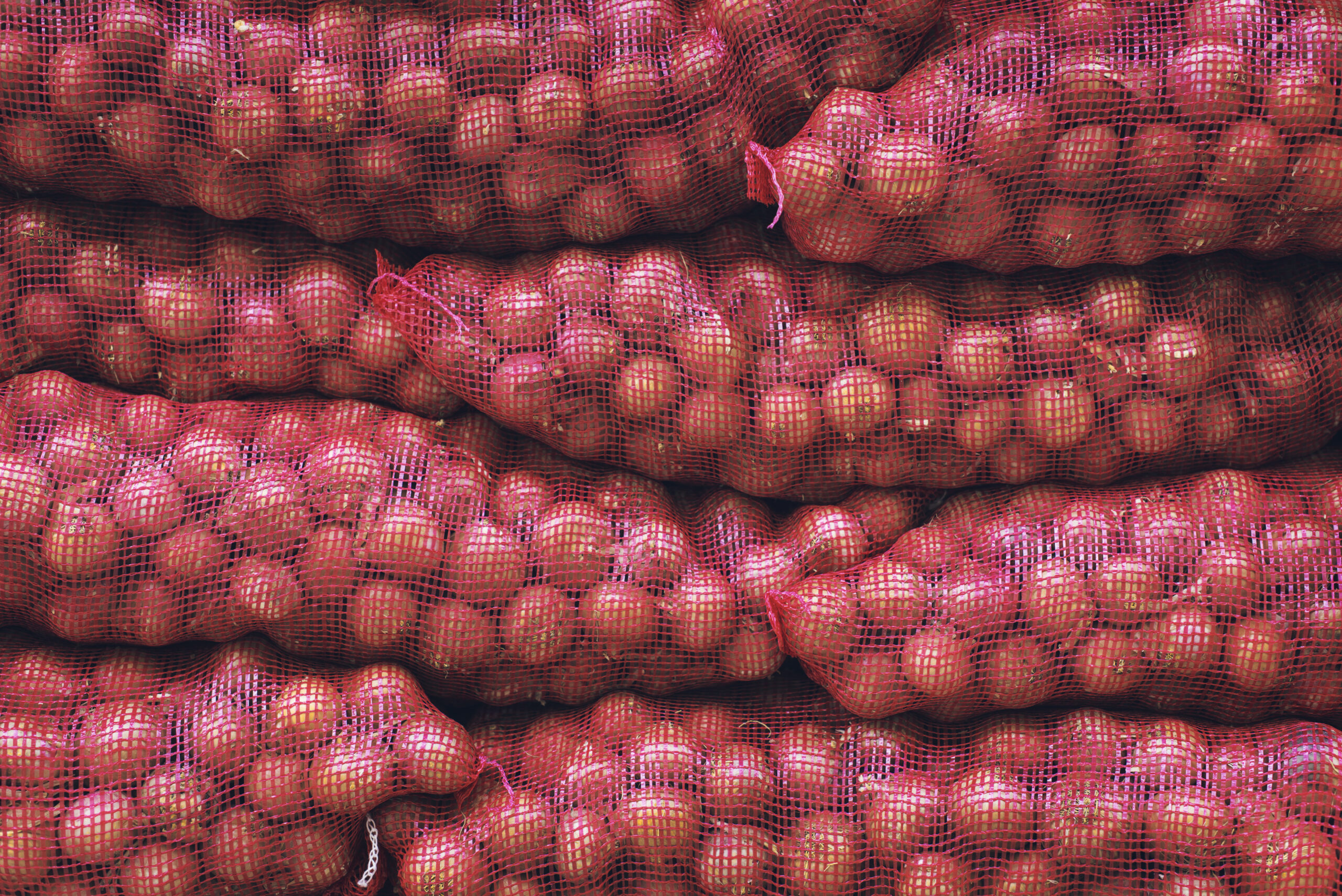
` This image could depict a vibrant pile of fresh red onions, perhaps in a market setting or neatly packed, with “HS 070310” subtly overlaid or in the background.
Key Regulations and Requirements for Red Onion Imports to Thailand:
1. Import Duties and Taxes:
Import duties for agricultural products in Thailand can vary based on origin and existing trade agreements (e.g., ASEAN Free Trade Area – AFTA, or other bilateral agreements). For red onions under HS 070310, it’s essential to verify the Most Favoured Nation (MFN) tariff rate and any preferential rates that might apply based on the country of origin.
VAT (Value Added Tax): A standard 7% VAT is typically applied to imported goods.
Other Taxes/Fees: Depending on the specifics, other minor fees or levies may apply.
Action Point: Always check the current tariff schedule provided by the Thai Customs Department or consult with a local customs broker for the most up-to-date rates applicable to your specific shipment’s origin.
2. Import Permits from the Department of Foreign Trade (DFT):
Agricultural products, particularly fresh produce, are often subject to import restrictions or quotas to protect domestic farmers. For red onions, an Import Permit from the Department of Foreign Trade (DFT), Ministry of Commerce, is usually required. This permit helps manage the volume of imports and ensure market stability.
Application Process: Importers must apply to the DFT well in advance of shipping.
Quota System: Be aware that red onions might fall under a quota system, meaning there’s a limit to the quantity that can be imported within a certain period at preferential rates.
3. Phytosanitary Certificate:
This is a non-negotiable requirement for importing fresh agricultural produce into Thailand. Issued by the Plant Protection Organization (PPO) of the exporting country, a Phytosanitary Certificate guarantees that the red onions:
Are inspected and found free from specified pests and diseases.
Comply with the phytosanitary import requirements of Thailand.
` This image could show a close-up of a phytosanitary certificate, perhaps with a magnifying glass over the details, or a hand holding the certificate against a backdrop of a port or cargo.
Action Point: Work closely with your supplier to ensure they can provide a valid Phytosanitary Certificate that meets Thai standards. Any discrepancies can lead to rejection or extensive quarantine measures.
4. Packaging and Labeling:
While specific regulations can vary, general requirements include:
Durable Packaging: Packaging must be suitable for international transport and protect the produce from damage and contamination.
Clear Labeling: Labels should clearly state the product name (Red Onions), country of origin, net weight, and ideally, the packing date. All information should be in English, and potentially Thai.
No Soil/Contaminants: Packaging should be free from soil, plant debris, or any other contaminants.
5. Customs Clearance Process:
Upon arrival in Thailand, your shipment will undergo customs clearance. This typically involves:
Submission of Documents: Commercial Invoice, Packing List, Bill of Lading/Air Waybill, Phytosanitary Certificate, and DFT Import Permit.
Customs Inspection: Goods may be inspected to verify compliance with declarations and health regulations.
Duty & Tax Payment: Once assessed, duties and taxes must be paid before release.
` This image could show a bustling port in Thailand, with cargo ships and containers, or a warehouse where red onions are being unloaded from a truck.
Navigating Potential Challenges
Seasonal Quotas: Be mindful of Thailand’s agricultural seasons. Import quotas for red onions might be stricter or have higher duties during peak domestic harvest periods.
Documentation Accuracy: Even minor errors on certificates or permits can cause significant delays. Double-check everything!
Logistics: Choose experienced freight forwarders who have a good track record with fresh produce and familiarity with Thai customs procedures.
Conclusion
Importing red onions (HS Code 070310) into Thailand can be a highly rewarding venture for businesses prepared to navigate its regulatory landscape. By understanding the critical requirements for import permits, phytosanitary certification, and customs duties, you can ensure your delicious red onions reach the Thai market efficiently and compliantly.
Partnering with reliable suppliers and experienced logistics providers is your best strategy for success. For specific and up-to-the-minute advice, always consult with a Thai customs broker or the relevant government departments.